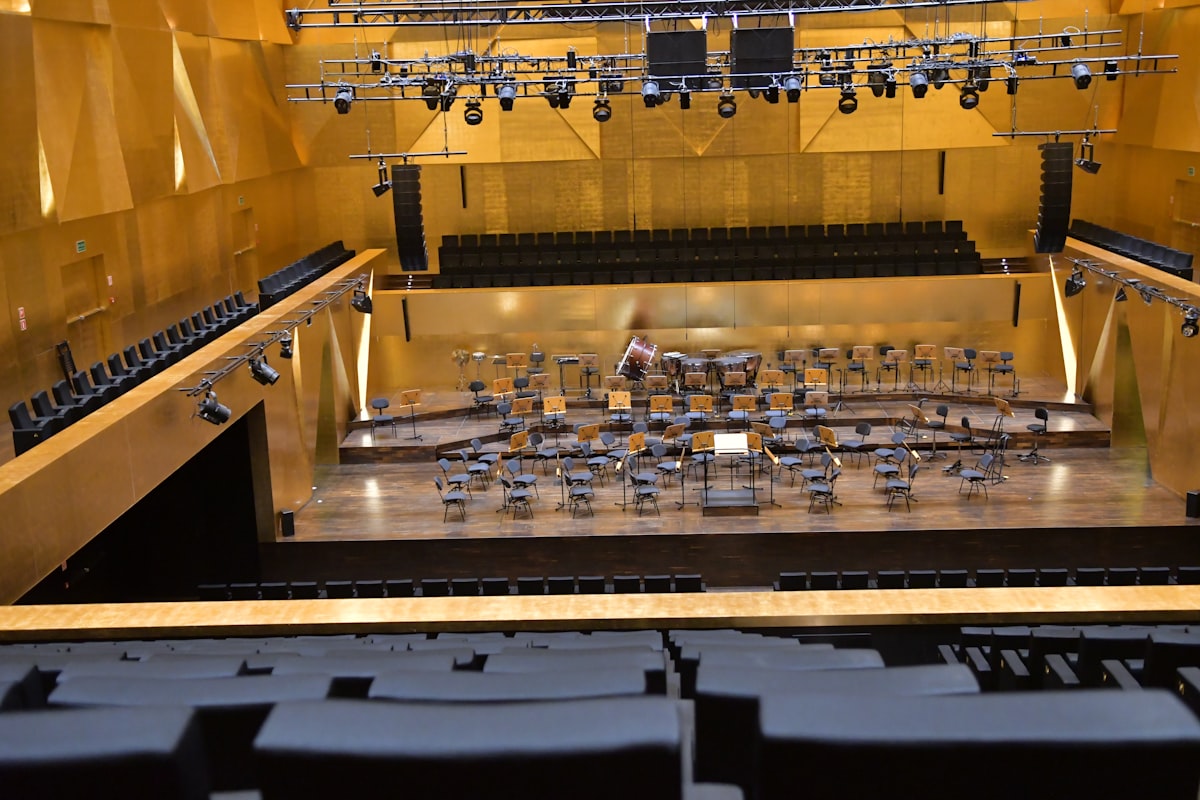
"The Orchestra Is Dying" — What If It's Not?
Every few years, a major publication runs some version of the same headline: The Symphony Orchestra Is Dying. The evidence cited is usually the same — aging audiences, budget shortfalls, declining ticket revenue, the occasional bankruptcy of a regional ensemble.
And every few years, the orchestra stubbornly refuses to die.
The Numbers Are Real — But Incomplete
Let’s be honest about what’s true. The traditional subscription model is collapsing. The median age of the American symphony audience has been climbing for decades. Major orchestras have faced strikes, lockouts, and existential funding crises. Some have folded entirely.
But here’s what those obituaries leave out: more people are listening to orchestral music today than at any point in human history. Film scores, video game soundtracks, streaming playlists, viral social media clips — the orchestra is everywhere. It just isn’t always in the concert hall.
The disconnect isn’t between audiences and orchestral music. It’s between audiences and the experience of attending an orchestral concert.
The Ritual Problem
Walk into a typical symphony concert and you’ll encounter a set of unwritten rules that would baffle anyone attending for the first time. Don’t clap between movements. Don’t make noise. Dress appropriately (whatever that means). Sit still for 90 minutes. Read the program notes so you understand what you’re hearing.
None of these conventions are inherent to the music. They’re cultural habits that calcified over the twentieth century — and they function, whether intentionally or not, as gatekeeping.
Compare this to virtually any other live entertainment experience. A rock concert, a comedy show, a sporting event — all of these invite participation. They want the audience to be loud, engaged, emotionally present. The energy in the room is part of the product.
The orchestra can do this too. It has done it for most of its history. The stuffiness is the aberration, not the norm.
What “Dying” Really Means
When people say the orchestra is dying, they usually mean one of two things:
-
The business model is failing. This is true. An art form that relies on wealthy donors, government grants, and subscriptions sold to retirees is not built for the twenty-first century. But a failing business model is not the same as a failing art form. Jazz clubs have terrible economics too, and jazz isn’t dead.
-
Young people don’t care. This is demonstrably false. The explosion of orchestral content on YouTube, TikTok, and Instagram — from arrangement breakdowns to “musician reacts” videos to full performances racking up millions of views — tells a very different story. Young people love orchestral music. They just don’t love the way it’s been packaged.
The Real Crisis
The real crisis isn’t that nobody wants to hear an orchestra. It’s that the institutions built around the orchestra have become more committed to preserving tradition than to serving audiences.
Programming the same fifty warhorses on rotation. Marketing to the same demographic decade after decade. Treating any deviation from the standard concert format as a compromise rather than an evolution.
Meanwhile, the most exciting orchestral work happening today is almost entirely outside the traditional system — in film scoring stages, in crossover projects, in YouTube studios, in arrangements that treat popular music with symphonic seriousness.
The orchestra isn’t dying. It’s escaping.
What Survival Actually Looks Like
The orchestras that will thrive in the coming decades won’t be the ones that successfully defend the old model. They’ll be the ones that do what orchestras have always done at their best: play music that makes people feel something extraordinary, in rooms where they feel welcome.
That might mean programming differently. It might mean rethinking the concert experience from the ground up. It almost certainly means letting go of the idea that the audience needs to be educated into appreciating the art form.
The audience is already there. They’re watching orchestral arrangements go viral online. They’re crying during film scores. They’re discovering that a hundred musicians playing together can produce something that no recording, no headphone, no speaker system can replicate.
They just need a reason to walk through the door.
The question was never whether people want the orchestra. It was whether the orchestra wants them back.
More to Read
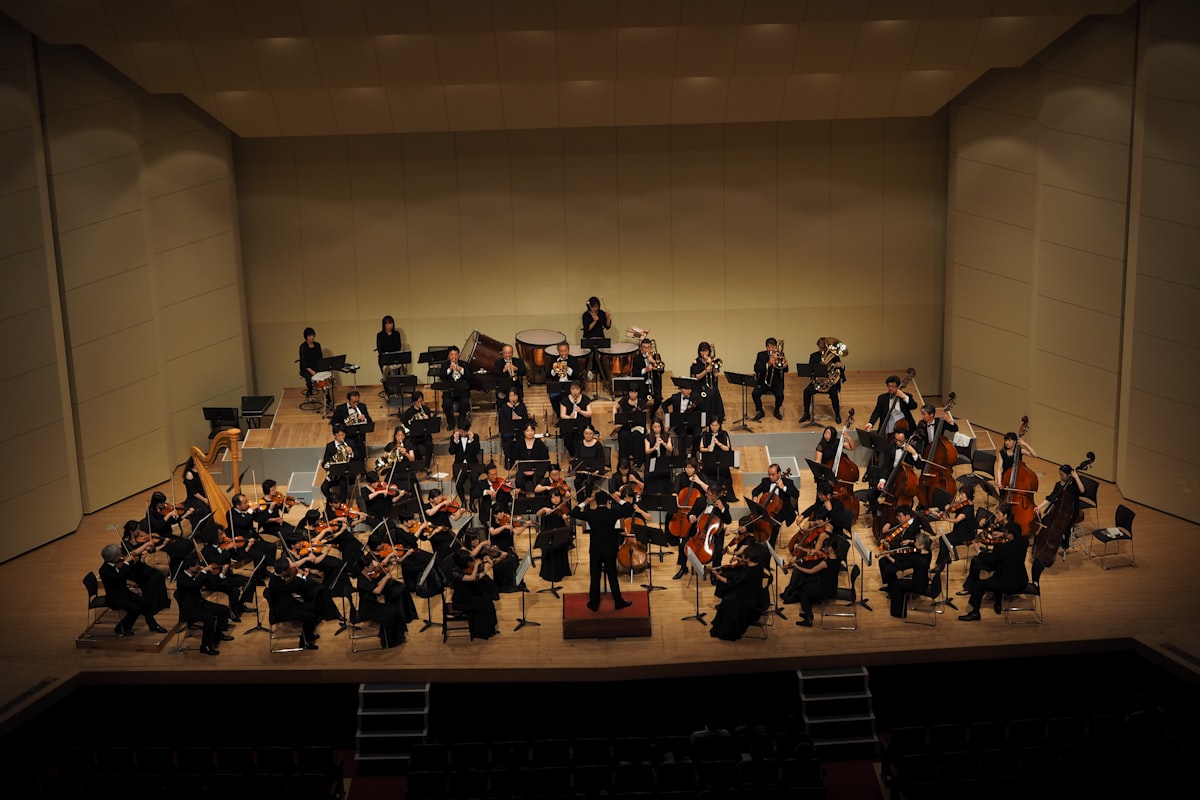
Reimagining the Symphony: Why the Piano Deserves Center Stage
The symphony orchestra is one of humanity's greatest inventions. But somewhere along the way, it lost its connection to popular culture. Classical Not Classical is an attempt to restore that bond.
Why Film Composers Are the New Beethovens
The most important orchestral music of the last fifty years wasn't written for the concert hall. It was written for the movies. And that should tell us something.
Why Pop Music Belongs in the Concert Hall
Pop and rock anthems weren't born in the orchestra pit — but they carry the same emotional DNA as the great symphonic works. Here's why bringing them into the concert hall isn't dumbing down classical music. It's completing it.