Looking Back: From Carnegie Hall to Classical Not Classical
Every project has an origin story. For Michael Rainwater’s Classical Not Classical, it starts with two moments that seemed unrelated at the time but turned out to be the same impulse viewed from different angles.
The Carnegie Hall Chapter
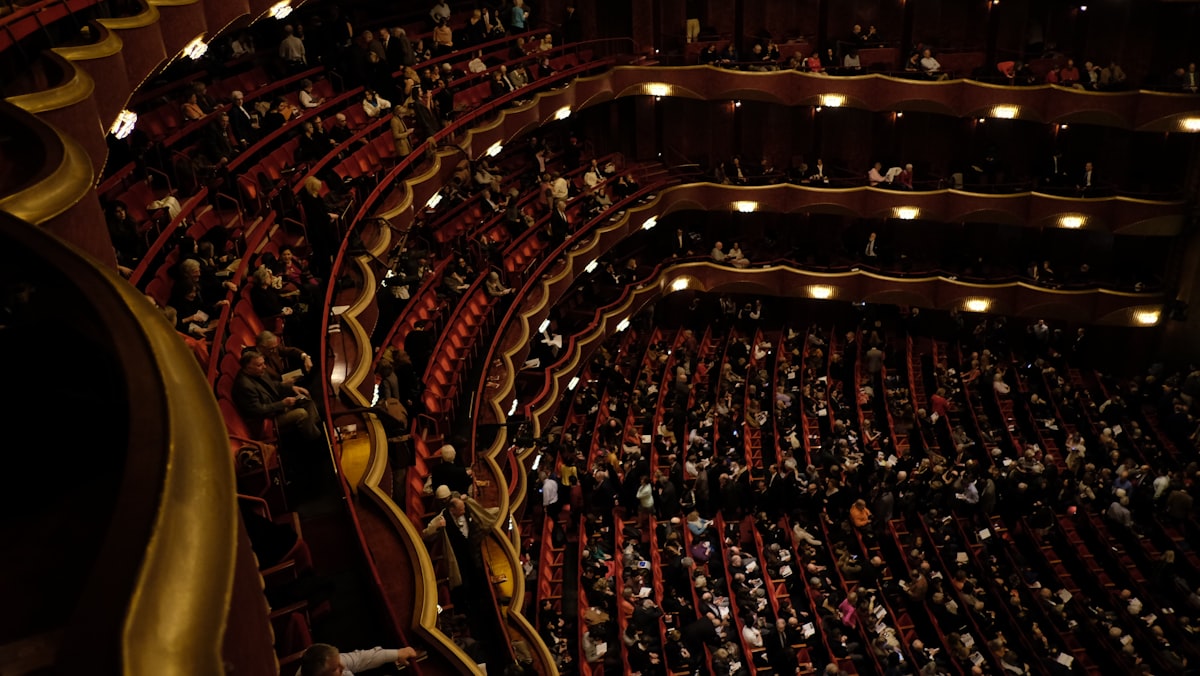
Performing at Carnegie Hall is one of those milestones that every classical musician dreams about. The hall itself has a gravity — the acoustics, the history, the weight of every artist who has stood on that stage before you. When I performed there, it confirmed something I already suspected: the concert hall, at its best, is one of the most powerful spaces on earth.
But it also raised a question. The audience that night was moved, engaged, present. Why doesn’t that happen more often? Why do so many orchestral concerts feel like they’re performing at an audience rather than with them?
The Viral Spark
Then came “Great Balls of Fire.”
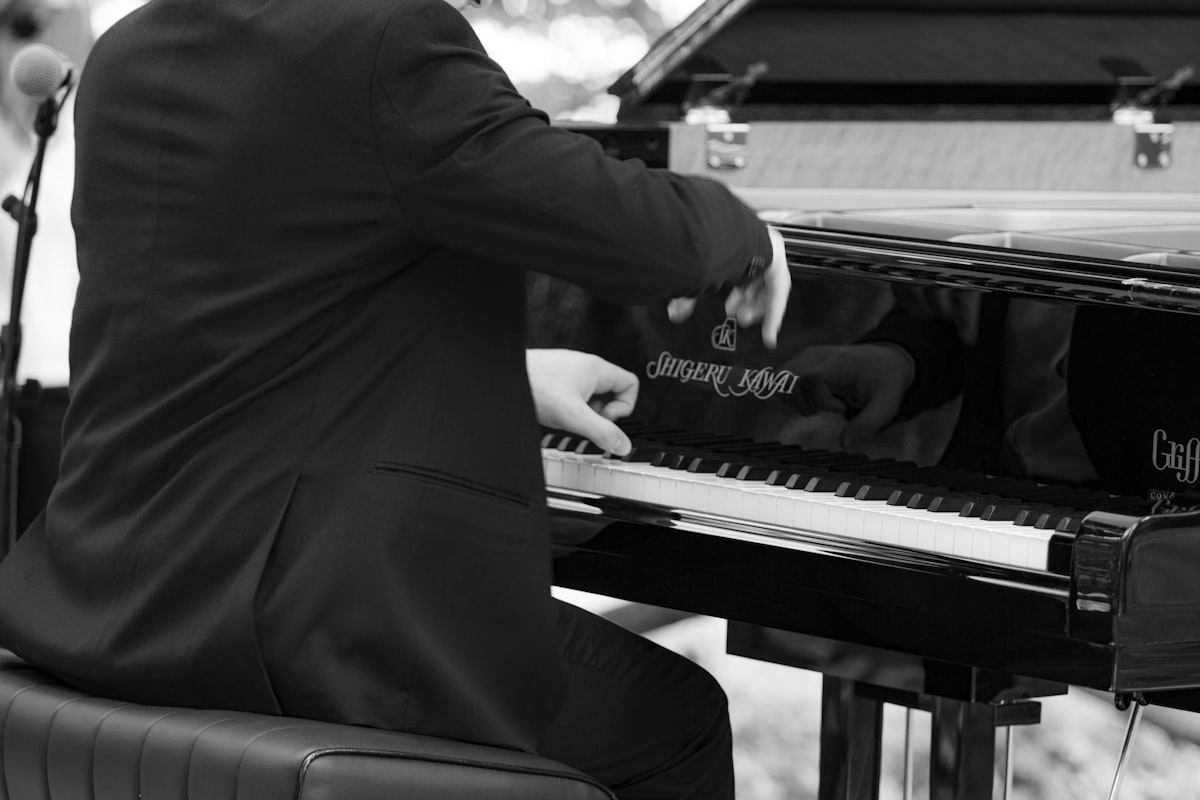
I arranged Jerry Lee Lewis’s iconic track for piano and orchestra — not as a novelty, but as a genuine orchestral work. The rhythmic energy, the harmonic structure, the sheer physicality of the original — all of it translated into the symphonic language in ways that surprised even me.
When I shared it online, it took off. Over 100,000 views organically. People who had never set foot in a concert hall were commenting, sharing, saying things like “I didn’t know an orchestra could sound like that.”
That response told me something important: the appetite is there. People want to feel what an orchestra can make them feel. They just need a doorway in.
Building the Show
The sheet music sales from that arrangement funded my first studio. And from there, Classical Not Classical began to take shape — not as a single arrangement or a one-off concert, but as a full two-act symphonic experience.
Every decision since then has been guided by a simple principle: treat the audience as participants, not spectators. The repertoire is familiar enough to feel like home and reimagined enough to feel like discovery. The piano carries the emotional through-line that a vocalist would in a rock show. And the orchestra isn’t background — it’s the engine.
More announcements coming soon. Stay tuned.
More to Read
Press Release: Michael Rainwater's Classical Not Classical Announces World Premiere — Fall 2026
Carnegie Hall pianist Michael Rainwater announces Michael Rainwater's Classical Not Classical, a first-of-its-kind symphonic concert experience premiering Fall 2026 at Byers Theatre at City Springs in Sandy Springs, Georgia.
Great Balls of Fire: The Arrangement That Started It All
How an orchestral arrangement of Jerry Lee Lewis's iconic track went viral, funded a studio, and planted the seed for Classical Not Classical.